

SKU proliferation was once a sign of growth. Today it's more often a source of complexity. Across grocery and FMCG, brands are expanding ranges to meet shifting consumer preferences, seasonal demand and retailer expectations.
More SKUs mean more formats, more changeovers, more handling, and more opportunity for inefficiency to creep in.
The question isn't whether SKU growth will continue. It will. The real question is: how do you manage it without slowing everything down?
 May 22, 2026
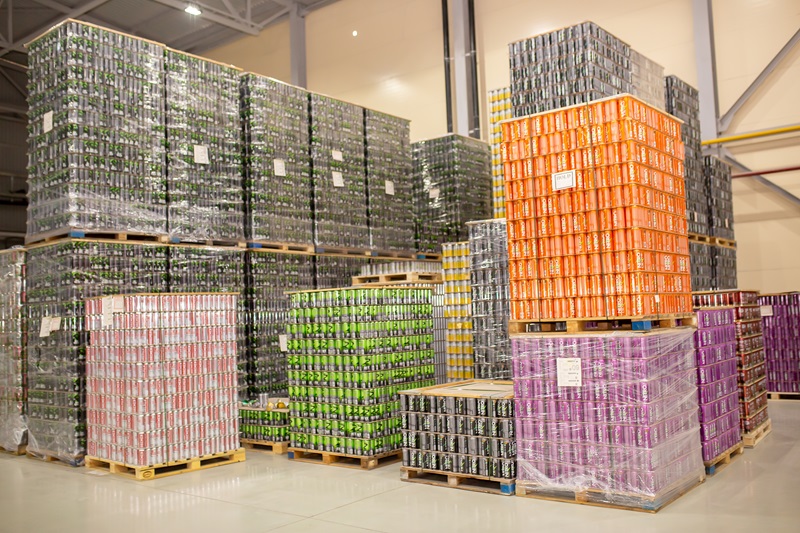
Every additional SKU creates ripple effects across the supply chain. More formats mean more tooling, more inventory lines and greater pressure on warehousing and transport. Production lines face increased changeover frequency. Planning becomes more complex. Forecasting becomes less certain.
Individually, these challenges are manageable. At scale, they start to erode efficiency. This is where packaging often becomes part of the problem. Too many bespoke formats. Too little consistency. Too much variation for systems designed to run at speed.
Operational efficiency is under more pressure than ever. Margins remain tight. Labour is constrained. Sustainability requirements are increasing. At the same time, retailers expect flexibility and responsiveness.
In this environment, complexity isn't just inconvenient. It's expensive. Reducing complexity doesn't mean reducing range. It means rethinking how that range is delivered through the supply chain.
This is where modular packaging comes into its own. Instead of designing unique formats for every SKU, modular approaches create standardised structures than can flex across multiple products, pack sizes or configurations. The result is fewer formats, greater consistency and more efficient handling across the board.
From an operational perspective, this translates into tangible gains. Standardised formats help reduce changeover time on packing lines, simplify inventory management by limiting the number of packaging variants, and improve palletisation and transport efficiency. At the same time, they provide the flexibility needed to respond quickly to shifts in demand without introducing unnecessary complexity.
Crucially, modularity doesn't limit brand expression. Structural consistency can sit alongside printed variation, allowing brands to maintain differentiation without compromising efficiency across the system.
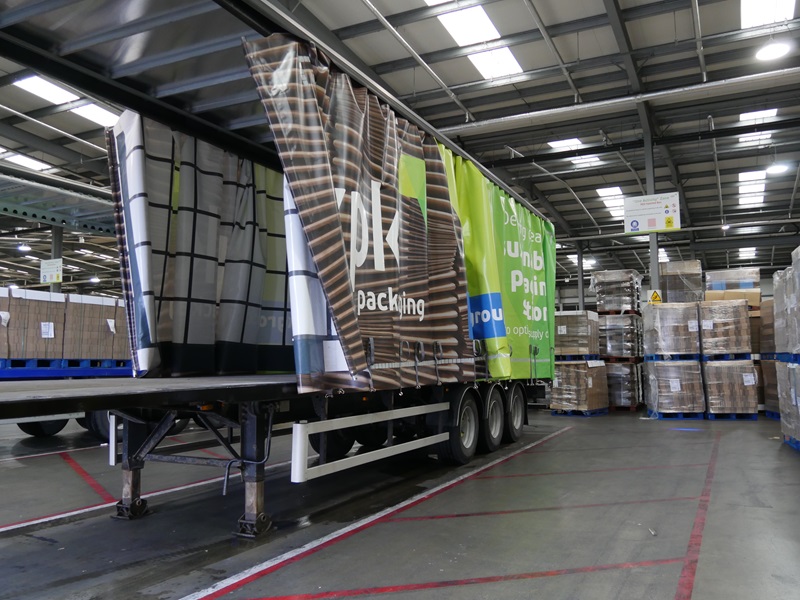
Modular packaging only works if it is designed with the full supply chain in mind. It's not just about standardising dimensions; it's about understanding how packaging performs in real operational environments, from the packing line through distribution, into the warehouse and ultimately at the fixture.
Poorly executed standardisation can create new problems. Done properly, it removes friction at every stage. At VPK, this is where we focus. Packaging is developed not as an isolated component, but as a part of a wider operational system. That means testing structures, reviewing performance and refining formats over time to ensure they continue to deliver value.
It's the same thinking that underpins modular systems, where consistency in structure supports both efficient handling and reliable on-shelf performance without introducing unnecessary format variation.
There is another reason modular packaging is gaining traction. It aligns directly with sustainability goals. Reducing the number of formats and optimising structures helps:
As regulations place greater emphasis on material efficiency and pack optimisation, these benefits become even more commercially relevant. What was once seen as an operational improvement could now also be a compliance advantage.
SKU growth isn't going away. If anything, it will accelerate. The brands that manage it most effectively will be those that recognise where complexity adds value and where it doesn't.
Packaging is one of the clearest opportunities to regain control.
By moving towards more modular, structured approaches, it's possible to support range expansion without increasing operational burden. To maintain flexibility without sacrificing efficiency.
Because in modern supply chains, success isn't just about adding more.
It's about making more work better.


