

 Jun 10, 2026
Third-party logistics providers are under constant pressure to move faster, use space more efficiently, reduce damage, control costs and meet rising customer expectations. As a result, many 3PLs invest heavily in warehouse management systems, transport networks, automation, labour planning and real-time visibility. Yet one area is often reviewed too late, or not even considered in the process, the packaging solution and performance requirements.
That can be a missed opportunity.
In a 3PL environment, it can influence picking speed, packing efficiency, storage density, load stability, transport utilisation, damage rates, returns handling and customer satisfaction. When it is designed around the realities of the operation, packaging becomes a practical performance tool.
In many businesses, packaging decisions sit with procurement, marketing or individual brand teams. That is understandable. Packaging has to protect the product, represent the brand and meet commercial targets. However, for 3PLs, packaging also has to work operationally.
A format that looks cost-effective on a unit-price basis may create additional handling time, take up unnecessary warehouse space, require more void fill, slow down packing lines or reduce pallet efficiency. In high-volume fulfilment environments, those small inefficiencies can quickly become significant.
That is why packaging should be considered as part of wider supply chain and logistic reviews, not as a separate purchasing exercise.
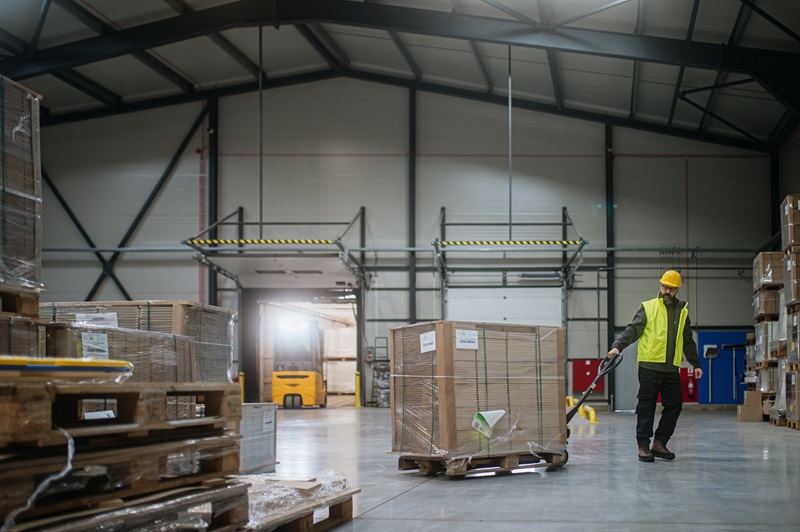
Too many pack formats can complicate training, replenishment and packing decisions. Weak or inconsistent packaging can affect load stability, increasing the risk of movement, crushing or damage in transit.
The impact can be felt across the whole operation. Packing and handling can become slower, warehouse space can be used less efficiently, and teams may need to rely on more void fill than necessary. Poorly optimised packaging can also affect pallet and vehicle cube efficiency, increase the risk of damage and returns, and create more customer complaints. During peak periods, these issues become even more pronounced, adding pressure to teams that are already working to tight service level agreements.
For 3PLs working to tight service level agreements, these issues matter. Packaging that creates friction in the warehouse can affect speed, cost and customer experience.
Right sized packaging is one of the clearest examples of how packaging optimisation can support 3PL performance. By reducing unnecessary empty space, 3PLs can improve material use, reduce filler, support better storage density and make more efficient use of transport capacity. In e-commerce and omnichannel fulfilment, where order profiles can vary significantly, the right packaging architecture can help teams pack more consistently and reduce wasted space across thousands of shipments. This is not only a sustainability benefit. It is an operational benefit.
Better-sized packaging can support faster pack selection, neater palletisation, improved load stability and a better delivery experience for the end customer.
A packaging audit can help identify where packaging is helping the operation and where it is creating avoidable cost. For a 3PL, this might include reviewing the number of packaging SKUs in use, average fill rates, damage hotspots, pallet performance, handling requirements, packing speed, storage space and transport efficiency.
It can also highlight how easy packaging is for people to use on the line. In busy fulfilment environments, operators may move between different packing stations, shift patterns or customer accounts. Packaging that is intuitive to assemble, easy to pack and consistent in its handling requirements can help reduce training time, support varied operator work patterns and make packing processes more repeatable across teams.
These insights can then be used to create packaging that is better aligned to the fulfilment model, product mix, operator requirements and customer expectations.
That is where VPK’s Solution Cycle adds value.
Through DISCOVER, we take time to understand the operational challenge, from warehouse constraints and packing processes to transport requirements and customer expectations.
Through IDENTIFY, we highlight where packaging may be affecting efficiency, protection, space utilisation or handling.
Through CREATE, we create corrugated packaging solutions that are designed around real operational needs, not assumptions.
For 3PLs, packaging should do more than contain a product. It should support the flow of goods through the warehouse, protect products in transit, help teams work efficiently and contribute to a better customer experience. That requires a packaging partner that looks beyond the box.
At VPK Packaging, we work with customers to understand their operation, identify opportunities for improvement and develop corrugated packaging solutions that support performance across the supply chain.
If you are reviewing your logistics, fulfilment or packaging operation, get in touch to explore how smarter packaging could help improve efficiency, reduce damage and support better 3PL performance.

Leder du efter den perfekte emballageløsning?


