New VPK Packaging concept uses adaptable integrated dividers to keep products upright, organised and visible throughout their time on shelf
 Nov 25, 2026
Integrated divider structures can be adapted according to the product format, number of facings and way the product is merchandised.
StandIT is particularly suited to sachets, thermoformed packs, blister packs, sleeves, pillow packs and other narrow or flexible formats. It can also provide additional secondary packaging support where changes to the weight or rigidity of primary packaging affect how products perform on shelf.
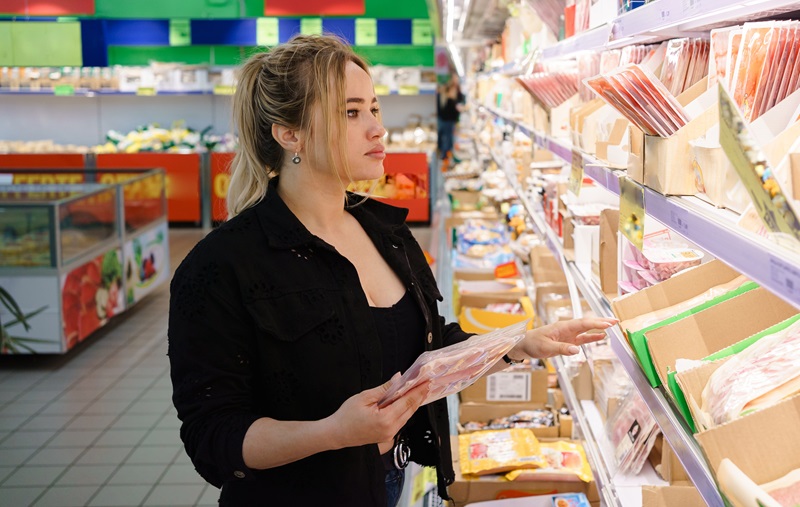
Simon Saunders, Head of Design, Innovation & Technical at VPK Packaging UK & Ireland, said: “StandIT is genuine innovation for us because we started with the problem rather than an existing packaging format. We were seeing products arrive at retail in perfect condition but then lose impact once the case was being shopped.
“Lighter, flexible or less rigid primary packs can fall forwards or become difficult to see, while mixed and multi-facing cases can quickly lose their organisation. We asked how the secondary packaging itself could actively support the product throughout its time on fixture. StandIT is the result.”
StandIT is available in three principal configurations, each developed around a different merchandising requirement.
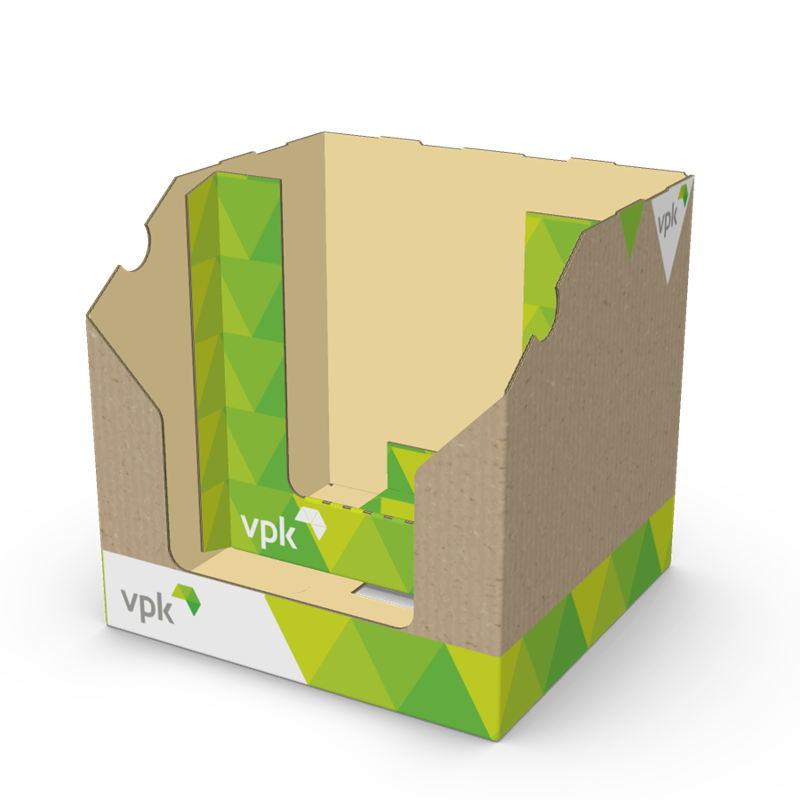
Side-to-Side uses left-to-right divider structures to help keep products upright and reduce forward movement as stock is removed. The structure can also create an additional printable section within the case, providing another visible surface for branding or product information.
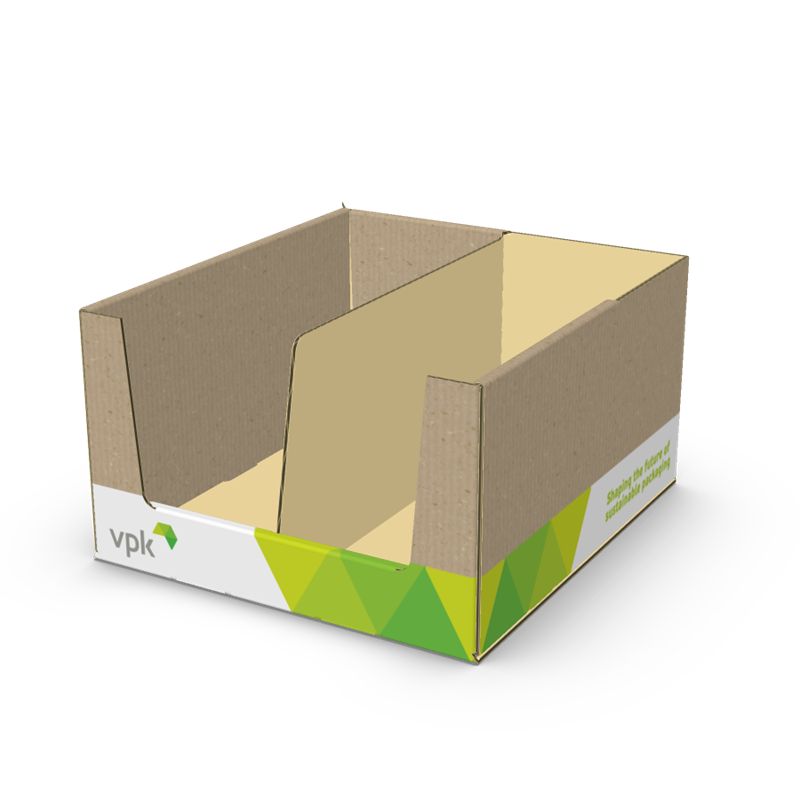
Lanes uses front-to-back dividers to create distinct product channels. This can support dual-facing or mixed-case displays by keeping products separated and aligned as the case is shopped.
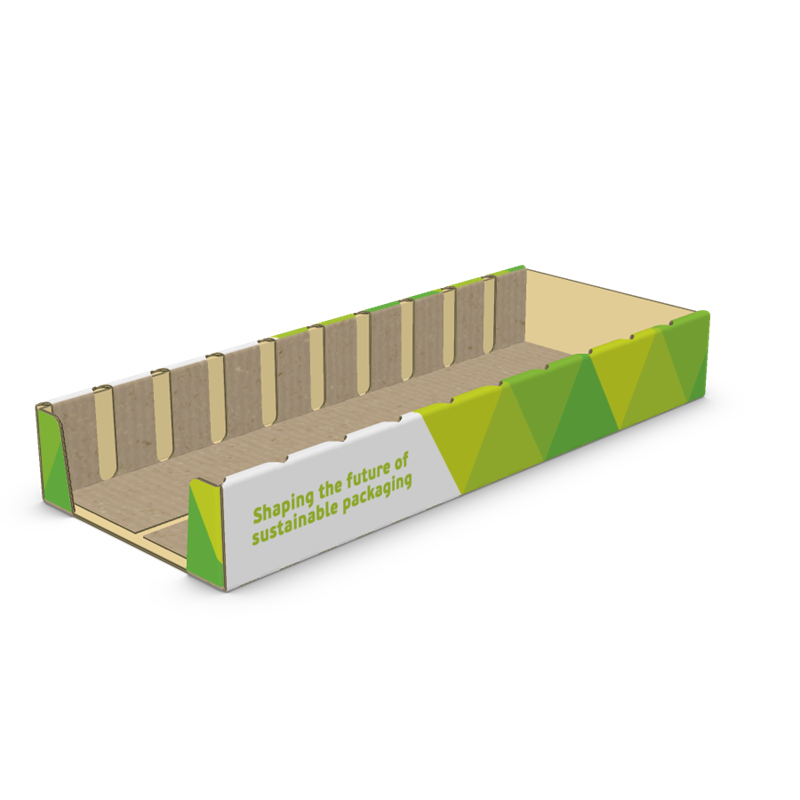
Slotted sections provide individual support around separate primary packs where greater control over product position is required.
The configurations can be adapted across different angles, numbers of facings and product types rather than requiring every product to fit a standard structure.
The configurations can be adapted across different angles, numbers of facings and product types rather than requiring every product to fit a standard structure.
Saunders continued: “The important point is that StandIT is not a one fixed solution. The divider system can be configured around how the product is merchandised and the type of support it needs.
“A flexible pack falling forwards presents a different problem to a mixed case becoming disorganised, so the structure needs to adapt accordingly.”
For retailers, the format is intended to help maintain product position and visibility as stock is removed, while supporting straightforward replenishment. For brands and manufacturers, it also provides a way to consider the relationship between primary and secondary packaging where changes to the primary pack affect shelf performance.
Depending on the application, StandIT can replace or adapt formats including standard 0201 cases, base-and-lid packaging and traditional shelf-ready packs. Certain configurations can also incorporate VPK Packaging’s StackIT system where additional stacked display height is required.
The concept has potential across chilled and ambient food, snacking, confectionery, household, health and beauty and other retail categories where maintaining product position becomes more difficult as stock is removed.
Saunders added: “Retail-ready packaging has to perform beyond transport. It needs to protect the product through the supply chain, be practical for store teams to replenish and continue supporting product presentation as the case empties.
“StandIT gives us a different structural approach to addressing those requirements.” StandIT is the latest corrugated format developed by VPK Packaging around customer, supply chain and retail requirements.