

In grocery retail, packaging is often judged by what happens before the shelf. Can it protect the product, move efficiently through the supply chain, and reduce handling in store? All of which matter, but it misses a more commercial question. Can the shopper find the product quickly and confidently once they reach the fixture?
 Apr 21, 2026
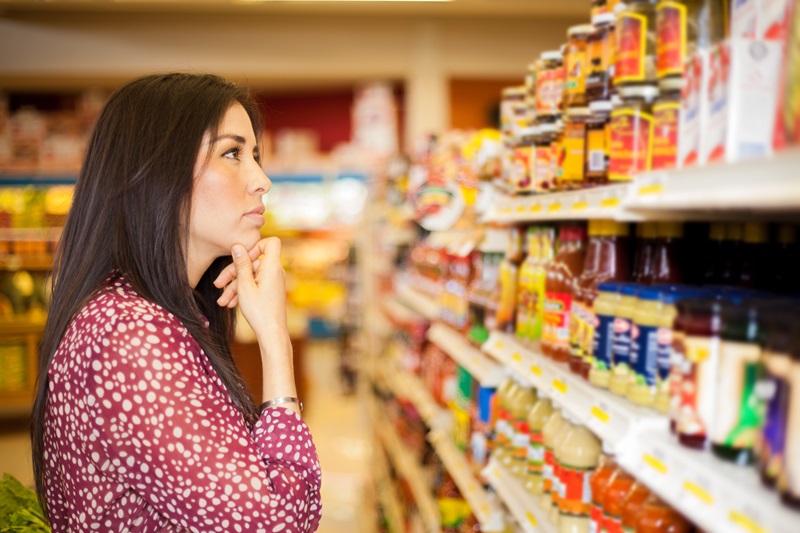
SRP is often discussed as a retail efficiency tool, and rightly so. It reduces shelf replenishment time, simplifies activation in store and helps products arrive ready to present. But that is only part of the story. In practice, SRP also plays a critical role in shopper navigation, which is guiding the eye, reducing friction and helping products stand out in environments where decisions are made fast.
That matters because grocery shopping is not nearly as habitual as many assume. Tesco Media's 2026 "Moving Mindsets" study found that only 24% of grocery purchases are habitual, while seven in ten shoppers make final decisions during the shop, and 71% enjoy discovering new brands while shopping. In other words, most of the basket is still open to influence at shelf.
And when shoppers work harder, brands lose visibility.
Europanel's 2024 analysis also reinforces how constrained in-store visibility really is the average shopper passes through less than half of the aisles during a grocery visit, meaning many products are excluded from consideration before they even get a chance to compete.
First, it creates strong brand blocking. Consistent facings and cleaner product lines help shoppers recognise products faster. They reduce visual noise and support easier scanning of the shelf. In categories with high SKU counts, that matters enormously.
Second, it improves shopper navigation within the category. Products that are well presented, clearly grouped and easy to read are easier to locate. This is especially important as grocery retailers continue to manage larger ranges and as private label grows in strength. McKinsey's 2025 State of Grocery Europe report found private label reached 39.1% of grocery sales value in Europe in 2024, with further growth expected through 2030. As category complexity increases, packaging has a more important role in helping shoppers navigate choice.
Third, it supports faster, cleaner replenishment, which directly affects availability and presentation. If a format is awkward to activate or inconsistent on shelf, the result is usually poorer product presentation and weaker visibility. That is why the best SRP is never designed in isolation. It is developed through structured early thinking, tested for real retail conditions and refined once live, rather than treated as a last-minute pack conversion exercise.

At VPK Packaging, this is the lens we increasingly apply. We look at SRP not simply as secondary packaging, but as a point where shopper experience, store execution and supply chain performance meet. That means starting with what the pack needs to achieve at fixture, then designing backwards through replenishment, transport and production. It is the same principle that underpins smarter packaging development more broadly. Understand the real environment first, then build the structure around it.
That thinking is behind solutions such as StackIT, our modular shelf-ready packaging system. The point is not simply to create "another SRP format", but to engineer solutions that activate quickly, hold their shape, support stable stacking and maintain consistent presentation through the store environment. The commercial value is clear with better on-shelf execution, stronger shopper navigation and less friction between intent and purchase.
This matters even more as stores become more contested spaces and that is why SRP deserves to be viewed differently. It is not just about making life easier in-store, although it does that. It is not just about replenishment speed, although that matters. It is about helping products get seen, understood and selected. It is about the shopper picking your product off the shelf and adding it to their basket.
When designed properly, shelf-ready packaging does not simply move products through the supply chain. It helps move shoppers through decisions and in modern grocery retail, that makes it far more than packaging.
It makes it part of the sale. If you're reviewing how your products perform on shelf, it may be time to look beyond the product itself and rethink the role your packaging plays. Get in touch for how we can help you.


